A to Z: Cooking Terms & Techniques
Essential terms and techniques every home chef should know. This A to Z guide breaks down the cooking terms and techniques that make you feel like a more confident, capable cook.

Best of the Year
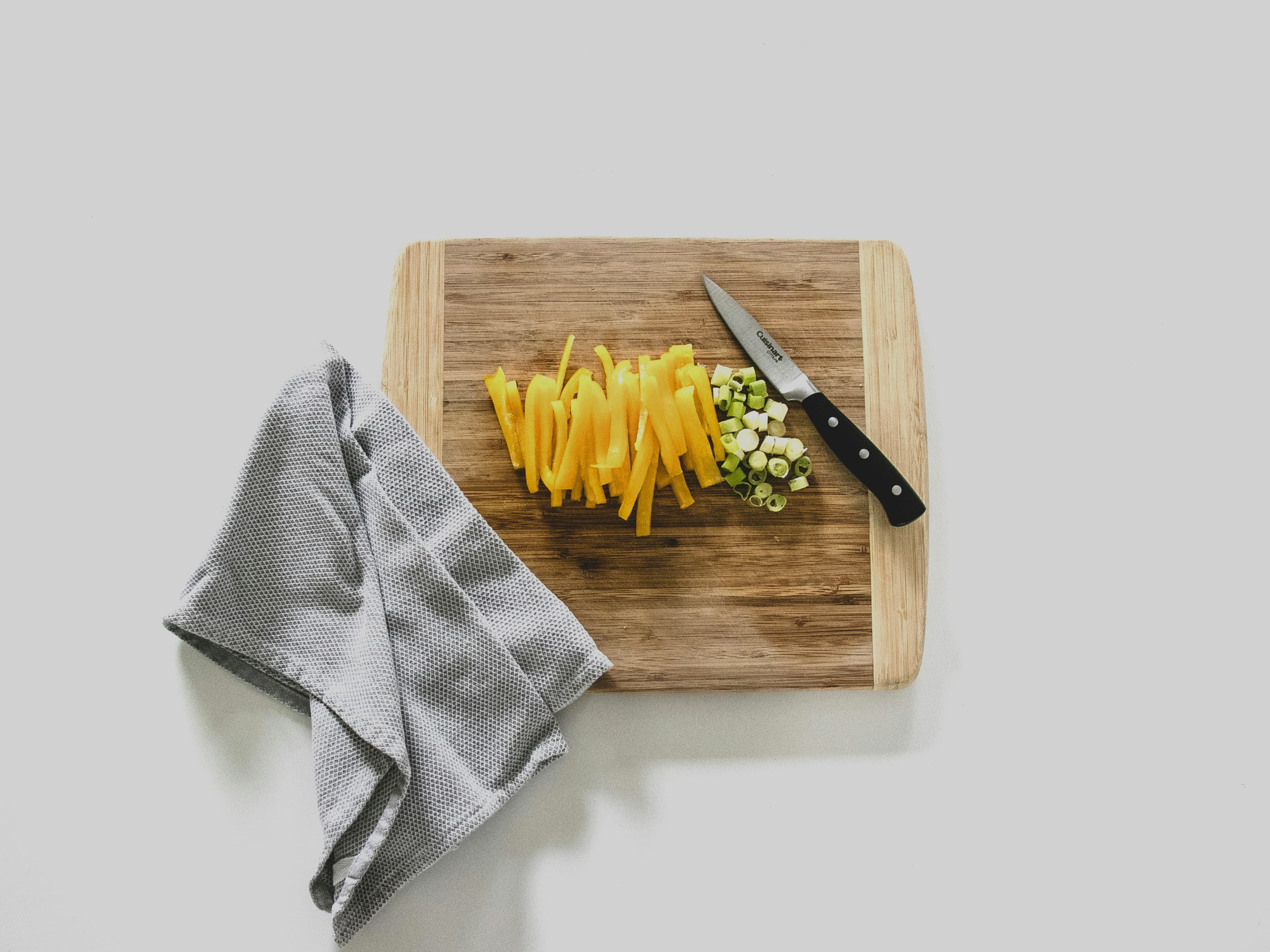
Photo: Debby Hudson for Unsplash
If you cook at home on a regular basis, you’ve likely seen many of these terms—but knowing what they actually mean (and how to use them) can make all the difference. Consider this your go-to guide to the cooking terms and techniques that can instantly level up your skills in the kitchen.
A — Al Dente:
Literally “to the tooth” in Italian, this term refers to a doneness standard for pasta or vegetables that are cooked until just tender with a slight bite. It's a popular way to avoid overcooking, which can lead to mushy texture and diluted flavor. Proper al dente pasta also holds sauce better.
B — Bain-Marie (Water Bath):
A gentle cooking method where bakeware is placed in a larger tray or cookie sheet filled with hot water. It's most common for custards or cheesecakes and can help prevent curdling, cracking, sticking or overcooking delicate mixtures.
C — Chiffonade:
This is a knife technique where leafy greens or herbs are stacked, rolled, and sliced into thin ribbons. Chefs use it to distribute flavor more evenly.
D — Deglaze:
Adding liquid (wine, broth, or water) to a hot pan to loosen browned bits (fond) stuck to the bottom. Those browned bits are pure flavor — the base of great sauces.
E — Emulsify:
This involves combining two liquids that don’t naturally mix (like oil and vinegar) into a stable blend. It's essential for dressings, sauces, and mayo; proper emulsification creates smooth, cohesive texture.
F — Fermentation:
A process where microorganisms (like yeast or bacteria) convert sugars into acids or alcohol. It's most commonly used to build complex flavors (think yogurt, kimchi, sourdough) and can enhance nutrition.
G — Garnish:
A finishing touch—herbs, citrus zest, or edible elements added just before serving. While it might seem like a throwaway ingredient, garnish is more than just decorative; it can add contrast, freshness, and balance.
H — Hull:
To remove the outer leafy cap or core of fruits like strawberries or tomatoes. This improves taste, texture and presentation, especially in baking or salads.
I — Infusion:
This is a foundational technique for oils, syrups, broths, and cocktails that involves steeping ingredients (like herbs, spices, or tea) in liquid to extract flavor.
J — Julienne:
Commonly used for hard vegetables like carrots, this involves cutting food into thin, matchstick-sized strips. It ensures even cooking and gives a refined, professional look.
K — Knead:
Working dough by folding and pressing to develop gluten. Proper kneading gives bread its structure, chew, and elasticity.
L — Leaven:
To make dough rise using agents like yeast, baking powder, or baking soda. It determines texture — from airy cakes to crusty bread.
M — Macerate:
Soaking fruit in sugar or liquid to soften it and release juices. Why it matters: Intensifies flavor and creates natural syrups (perfect for berries).
N — Napé:
A French term describing sauce thick enough to coat the back of a spoon, indicating proper consistency—not too thin, not too heavy.
O — Oven Spring:
The rapid rise of bread in the first minutes of baking is commonly viewed as a sign of well-proofed dough and proper oven temperature.
P — Proofing:
Allowing yeast dough to rest and rise before baking. Under-proofed dough is dense; over-proofed can collapse.
Q — Quenelle:
An oval shape formed using two spoons, often for soft foods like ice cream or mousse. Elevates presentation instantly.
R — Reduction:
Simmering a liquid to evaporate water and concentrate flavor. Creates richer sauces and intensifies taste without adding ingredients.
S — Sear:
Most frequently part of cooking meat like steaks, this refers to a technique of cooking food quickly at high heat to create a browned crust. That crust translates into flavor.
T — Tempering:
Slowly bringing ingredients (like eggs or chocolate) to temperature without curdling or seizing. Prevents scrambled eggs in custards and ensures glossy chocolate.
U — Umami:
The fifth taste (alongside sweet, salty, sour, bitter), often described as savory or meaty. Found in foods like mushrooms, soy sauce, and parmesan — it adds depth and satisfaction.
V — Velouté:
One of the five French “mother sauces,” made from a light stock thickened with roux. A base for many classic sauces and a building block of French cooking.
W — Whisk:
To beat ingredients rapidly using a whisk to incorporate air. Essential for smooth batters, fluffy eggs, and emulsified sauces.
X — X Crosshatch:
A knife or scoring technique where shallow cuts are made in a crisscross pattern on food (like steak, eggplant, or ham) to help marinades penetrate, promote even cooking, and create a visually appealing finish.
Y — Yield:
The amount a recipe produces (servings or quantity). Helps you scale recipes up or down accurately.
Z — Zest:
The outermost, colorful part of citrus peel, packed with aromatic oils. Adds bright, concentrated flavor without extra acidity.